Serving Allen, McKinney, Plano & Collin County Texas
Trusted Protection for Your Solar Investment
Critter Guards for Solar Panels That Help Protect Your System
Birds, squirrels, and other pests can turn the space under your array into a nesting zone that creates mess, noise, and avoidable cleanup. For homeowners comparing Critter Guards for Solar Panels, this exterior upgrade offers a practical way to support solar panel protection without changing how the system is designed to operate.
Keep Pests Out Without Blocking Airflow
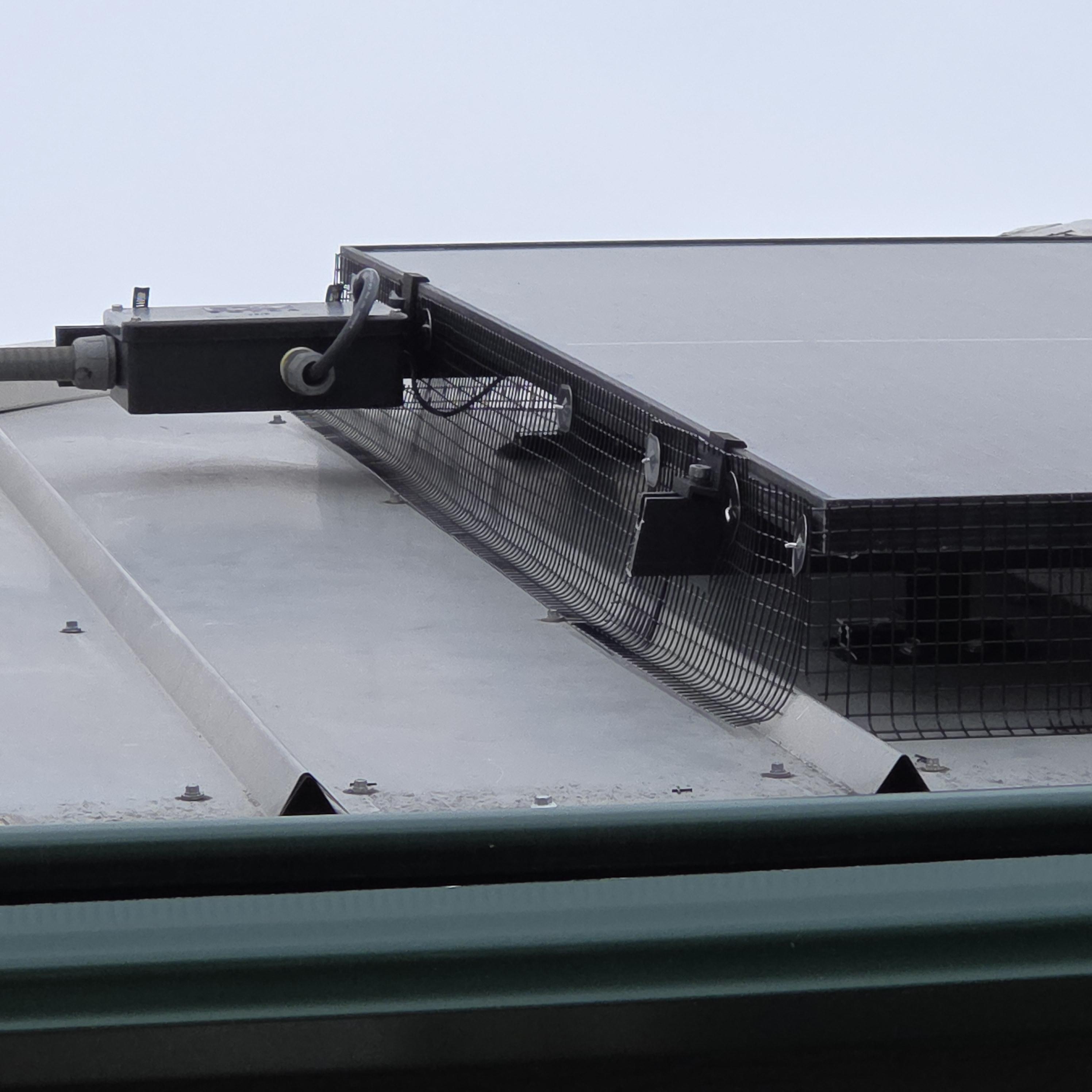
A well-fitted bird guard or squirrel guard follows the array perimeter, helps block access to the panel underside, and keeps airflow and rain runoff in mind. With Power Up Solar Cleaning, homeowners get a clean-looking, durable solution focused on preventive protection and long-term peace of mind.
Critter guards are a simple perimeter installation that helps reduce nesting under rooftop solar panels. They are designed to protect wiring paths, panel undersides, and roof areas from birds, squirrels, rodents, and debris buildup that can collect along the array edge.
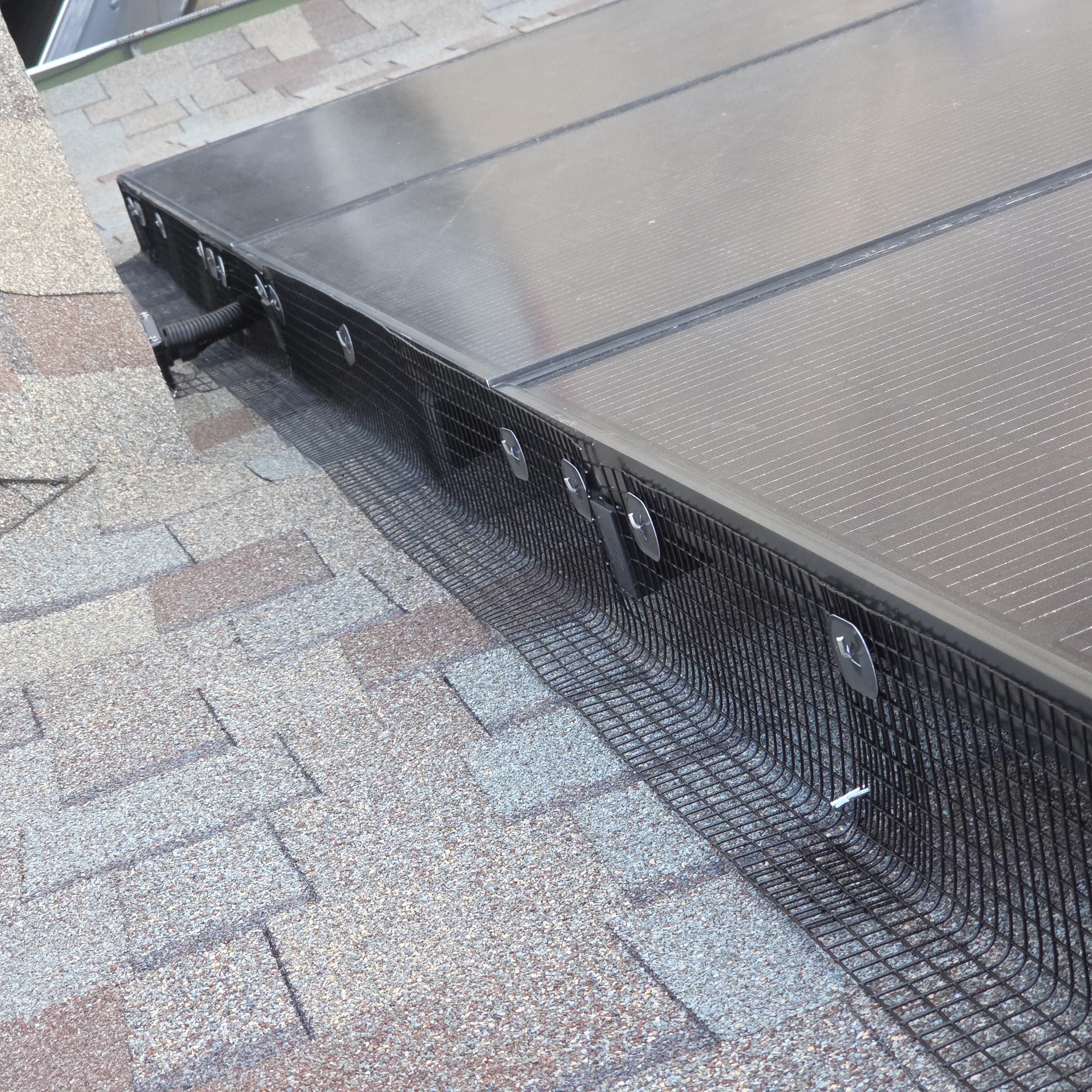
A quality pest exclusion setup uses wire mesh, often PVC-coated wire mesh, secured around the panel frame or module frame with compatible clips. The goal is a discreet finish that supports airflow, drainage, and roof access while helping limit roofline mess, droppings, and trapped nesting material.

Repeat Clean Up
Stop the endless cycle of scrubbing nests and droppings. Professional guards keep your roof clean and your weekends totally chore-free.

Chewed Materials
Squirrels think your wiring is a buffet. Block those gnawing teeth to prevent fire hazards and expensive electrical system repairs today.

Repeat Costs For Same Pest Problem
Stop paying for the same pest problem twice. One installation provides permanent protection, ending the cycle of expensive repeat repairs.
Stop the Problems That Start Under the Panels
The space under a solar PV system can attract birds and squirrels looking for shelter. Once nesting starts, debris buildup can trap moisture, interfere with drainage, and create a persistent roofline mess around the array perimeter.
Pest activity may also lead to noise, odor, feathers, droppings, and visible nesting near the roof setup. Over time, repeated exposure to pests raises the risk of damage to exposed exterior components and creates more cleanup than many homeowners expect.
Common Signs You May Need Guards
Scratching sounds near the roof, repeated pest sightings, and nesting material around the array edge are common warning signs. You may also notice feathers, droppings, or debris collecting below the system near gutters and drainage paths.
Visible nesting under the panel underside is a clear sign that pest deterrent measures are overdue. A rooftop inspection can help identify entry points before the mess gets worse.
Get a Clean, Durable Guard System Installed
A proper service starts with inspection of the panel edges, roof access, and signs of pest activity. From there, the installer selects guard material, mesh fencing, and panel-compatible clips that fit the panel frame and support neat perimeter installation focused on exterior protection only.
This work does not involve internal component servicing. It is a targeted pest abatement system designed to reduce access under the array while preserving airflow and rain runoff.
Power Up Solar Cleaning can help with:

The Inspection
The aim is bird protection, squirrel protection, and rodent protection with a finish that stays discreet from the ground. Bird and critter guard kits are selected based on array size, roof setup, and attachment method.

The Installation
New systems often use a mesh roll of PVC-coated wire mesh or similar heavy duty material with 1/2-inch openings. The mesh is attached with stainless steel clips, unique clips, or other panel-compatible clips for a secure fit around the module frame.

The Repair
Older mesh can loosen, rust, bend, or separate from the panel frame over time. Replacement service removes failed sections, checks attachment points, and installs updated wire mesh and fasteners where needed.
Protect Your Panels Before Nesting Gets Worse
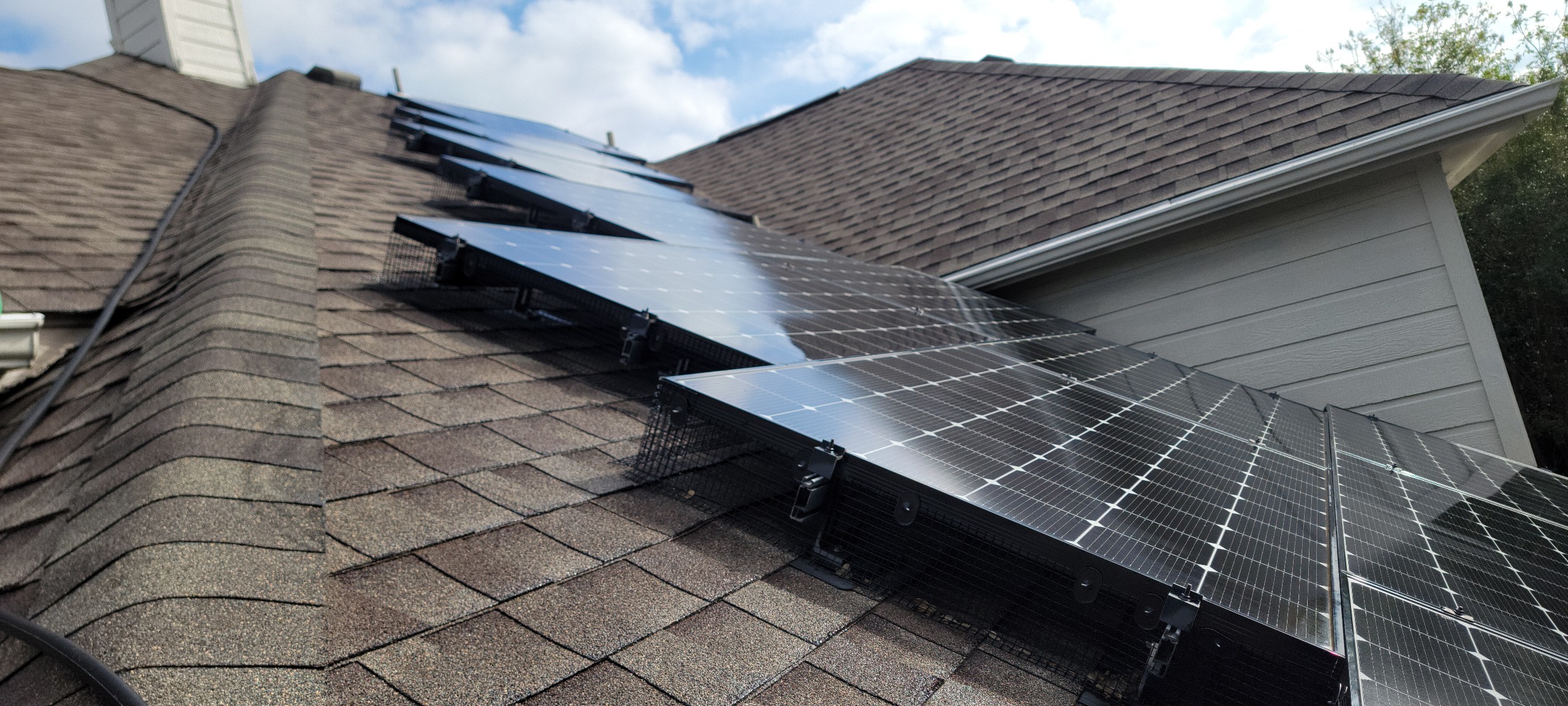
If pests are already circling your array, waiting usually means more nesting material, more droppings, and more cleanup later. A timely inspection can catch entry points early and help protect the panel underside, roof health, and the appearance of your home.
Power Up Solar Cleaning offers practical, honest service built around exterior protection and long-term value. Schedule your inspection to get a quote for critter guards before active nesting seasons turn a small issue into a bigger one.
Why This Upgrade Pays Off Over Time
For many homes, guards are more cost-effective than repeated nesting removal and cleanup visits. They help reduce debris buildup, support drainage and airflow around the array edge, and limit visible mess that affects curb appeal and roof health. This type of solar investment protection is about prevention, not hype. It can bring peace of mind by reducing the chance that birds, squirrels, or rodents keep returning to the same sheltered space.
A Simple Process From Inspection to Installation

Inspection
Inspect the array perimeter for entry points, nesting, droppings, and access conditions.

Recommend
Recommend the right guard material and attachment method for the panel frame, module frame, and roof setup.
Install
Install the mesh neatly around exposed edges while preserving airflow, drainage, and rain runoff.
Review
Review the finished installation and explain what to monitor over time.
This step-by-step approach helps you understand what is being installed and why. It also makes critter guard cost easier to justify because roof access, array size, and replacement needs are clear from the start.
Work With a Team That Focuses on Exterior Protection
When you hire for solar panel protection, experience with rooftop solar exteriors matters. Power Up Solar Cleaning brings fully insured professionals, specialized equipment, and practical knowledge of bird guard kits, stainless steel clips, mesh rolls, and perimeter-fit solutions used across common residential systems.
The company also understands how critter guards fit into broader exterior maintenance for homes in dusty, treed, and high-traffic areas. That makes it easier to protect your solar investment with a local service team that values honest recommendations.
Are solar critter guards worth it?
For many homes, yes, especially where birds or squirrels are active and cleanup keeps repeating. They help block nesting access and can reduce long-term mess around the roofline.
How much does a critter guard cost for solar panels?
Critter guard cost depends on array size, roof access, guard material, and whether replacement work is needed first. A quote after inspection is the best way to price the job accurately.
Do solar panels need a critter guard?
Not every system needs one. Homes with frequent pest activity, visible nesting, or recurring debris under the array usually benefit the most.
What is the 33% rule in solar panels?
That term is not a critter guard standard. It should not be used to decide whether you need pest exclusion around your array perimeter.
Professional solar panel cleaning services for residential and commercial properties throughout North Texas.
Quick Links
Service Areas
Contact Us
Allen, TX